July 13, 2026
When a vehicle breaks down or needs to be transported, many drivers do not realize how much planning goes into selecting the correct truck and recovery equipment. Weight classifications affect everything from the type of tow truck dispatched to the safety procedures used during transport. A professional towing service evaluates vehicle size, axle weight, cargo load, and towing capacity before beginning any recovery operation. Understanding these classifications can help drivers make informed decisions and avoid unnecessary damage, delays, or safety concerns.
Understanding Vehicle Weight Ratings
Vehicle weight ratings are the foundation of safe towing operations. Manufacturers assign specific limits to every car, truck, SUV, and commercial vehicle to determine how much weight the frame, suspension, tires, and braking systems can safely handle. These ratings are especially important during roadside recovery situations because exceeding them can place excessive strain on both the disabled vehicle and the tow truck.
One of the most common measurements is the Gross Vehicle Weight Rating, often referred to as GVWR. This number represents the maximum allowable weight of a vehicle when passengers, fuel, and cargo are included. Drivers frequently assume that only trailer weight matters, but the total combined load is what determines whether a vehicle can be safely transported.
According to How Stuff Works, passenger weight and overloaded cargo are two factors that can reduce the amount of weight a vehicle is capable of towing safely. Even a few hundred extra pounds may alter braking performance, steering response, and tire pressure. These details matter because towing professionals must account for every variable before loading a vehicle onto a flatbed or wheel-lift truck.
Different classes of tow trucks are designed to handle different categories of vehicles. Light-duty trucks typically assist passenger vehicles, motorcycles, and compact SUVs. Medium-duty trucks are used for delivery vans, work trucks, and larger SUVs. Heavy-duty wreckers are reserved for tractor-trailers, buses, construction equipment, and other oversized vehicles.
A reliable towing service understands how to match the correct equipment with the weight classification of the disabled vehicle. Sending a truck that is too small can create safety hazards, while sending oversized equipment may increase costs unnecessarily. Proper weight evaluation allows technicians to complete the job efficiently while minimizing wear on the vehicle being transported.
Managing Safety During Towing Operations
Safety becomes significantly more complicated as vehicle weight increases. Heavier vehicles require greater stopping distances, stronger winches, reinforced tow bars, and more advanced stabilization systems. Towing operators must also consider road grade, weather conditions, traffic flow, and the location of the disabled vehicle before beginning recovery work.
For example, a compact sedan stranded in a parking lot presents far different challenges than a loaded commercial truck stalled on a highway shoulder. Heavier vehicles can shift unexpectedly during transport if the load is not distributed evenly. Improper securement may also damage suspension components, transmissions, or drivetrains.
Professional operators use specialized tie-down systems, wheel straps, and hydraulic lifting equipment to keep vehicles secure throughout transport. A qualified towing service also trains operators to adapt recovery techniques based on changing traffic patterns, road conditions, and vehicle positioning. In many situations, technicians perform detailed inspections before towing begins. They may evaluate tire condition, frame integrity, ground clearance, and drivetrain configuration to determine the safest transport method.
Another important factor involves braking capability. Tow trucks carrying heavier loads must compensate for increased momentum, particularly when navigating steep roads or heavy traffic. Experienced operators understand how to maintain safe speeds and braking distances to reduce risk during transport.
A professional towing service also follows local transportation regulations related to weight distribution and commercial vehicle operation. These rules help protect both motorists and towing crews by establishing clear standards for equipment capacity and load security. Compliance with these requirements is especially important when transporting large vehicles over long distances.
Vehicle owners sometimes underestimate how modifications can affect towing safety as well. Lift kits, oversized tires, aftermarket bumpers, and added cargo racks can alter vehicle balance and overall weight. These changes may require adjustments in towing technique or specialized equipment to avoid unnecessary stress during transport.
Calculating Capacity for Different Vehicles
Every towing scenario begins with calculations. Operators must determine whether the tow truck has enough capacity to safely recover and transport the disabled vehicle. This process involves more than simply checking the vehicle’s listed weight.
Tow truck operators often evaluate curb weight, payload, axle distribution, and the location of the disabled vehicle before dispatching equipment. A pickup truck carrying construction materials may weigh substantially more than the manufacturer’s standard specifications.
Road conditions can further influence towing capacity calculations. Wet pavement, steep inclines, loose gravel, or icy surfaces may reduce traction and increase recovery difficulty. Operators sometimes use additional equipment such as winches, dollies, or rotator systems when recovering vehicles from ditches, embankments, or accident scenes.
The type of drivetrain also plays an important role. Front-wheel-drive, rear-wheel-drive, all-wheel-drive, and four-wheel-drive vehicles each require specific towing procedures. Using the wrong method may damage transmissions, transfer cases, or suspension systems. Flatbed towing is often preferred for luxury vehicles, electric vehicles, and all-wheel-drive systems because it keeps all four wheels off the ground during transport.
Electric vehicles introduce additional considerations related to battery placement and total vehicle weight. A modern towing service must understand manufacturer recommendations for electric drivetrains, battery protection, and proper loading procedures to avoid damage during transport. Many EVs weigh significantly more than comparable gasoline-powered models because of their battery systems. Tow truck operators must account for this added weight when selecting equipment and securement methods.
A dependable towing service carefully reviews all of these variables before transporting a vehicle. Accurate calculations help prevent equipment overload, protect vehicle components, and improve overall roadway safety. They also allow towing professionals to respond more efficiently when drivers require urgent roadside assistance.
Choosing the Right Tow Truck Equipment
Not all tow trucks operate the same way. Each style of truck is engineered for particular vehicle classes and recovery situations. Selecting the correct equipment improves safety, protects the disabled vehicle, and shortens recovery time.
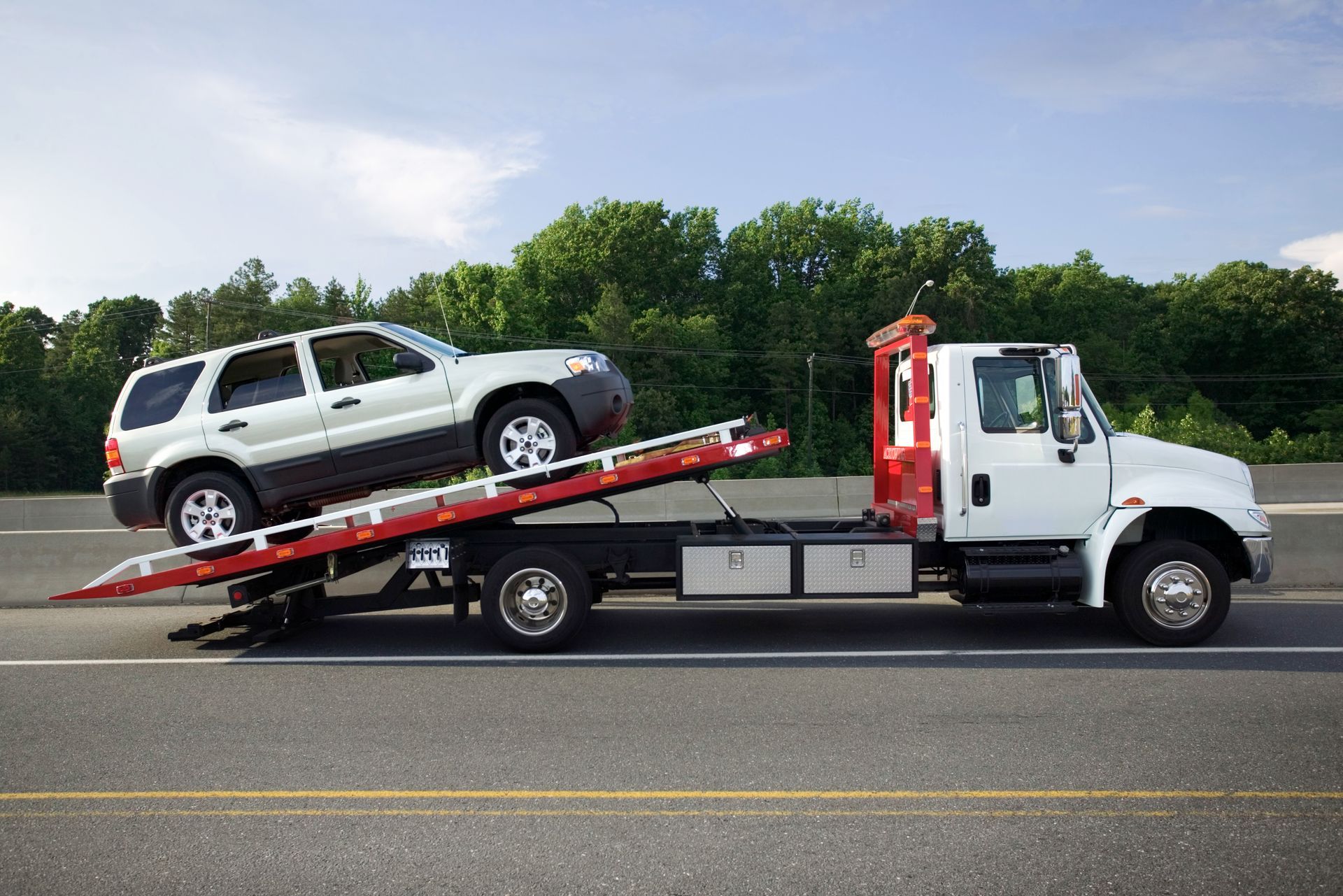
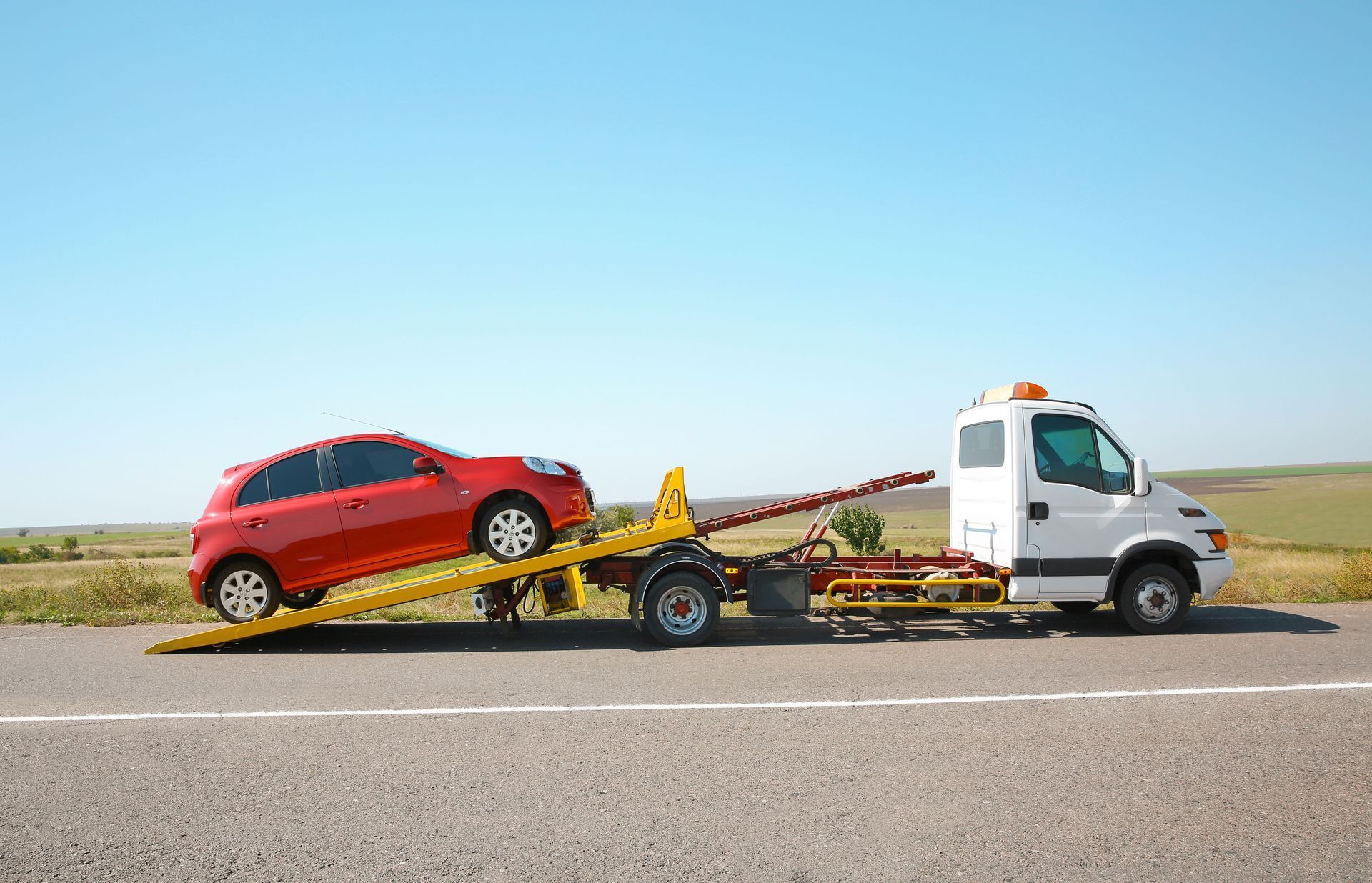
Flatbed tow trucks are among the most versatile options available. These trucks use a hydraulic platform that tilts downward so the vehicle can be loaded entirely onto the bed. Flatbeds are commonly used for accident recovery because they minimize contact with the road.
Wheel-lift tow trucks operate differently by lifting either the front or rear wheels off the ground while the opposite set remains in contact with the roadway. These trucks are often used for shorter-distance recoveries or situations where space is limited. They are commonly seen in parking enforcement and urban towing operations.
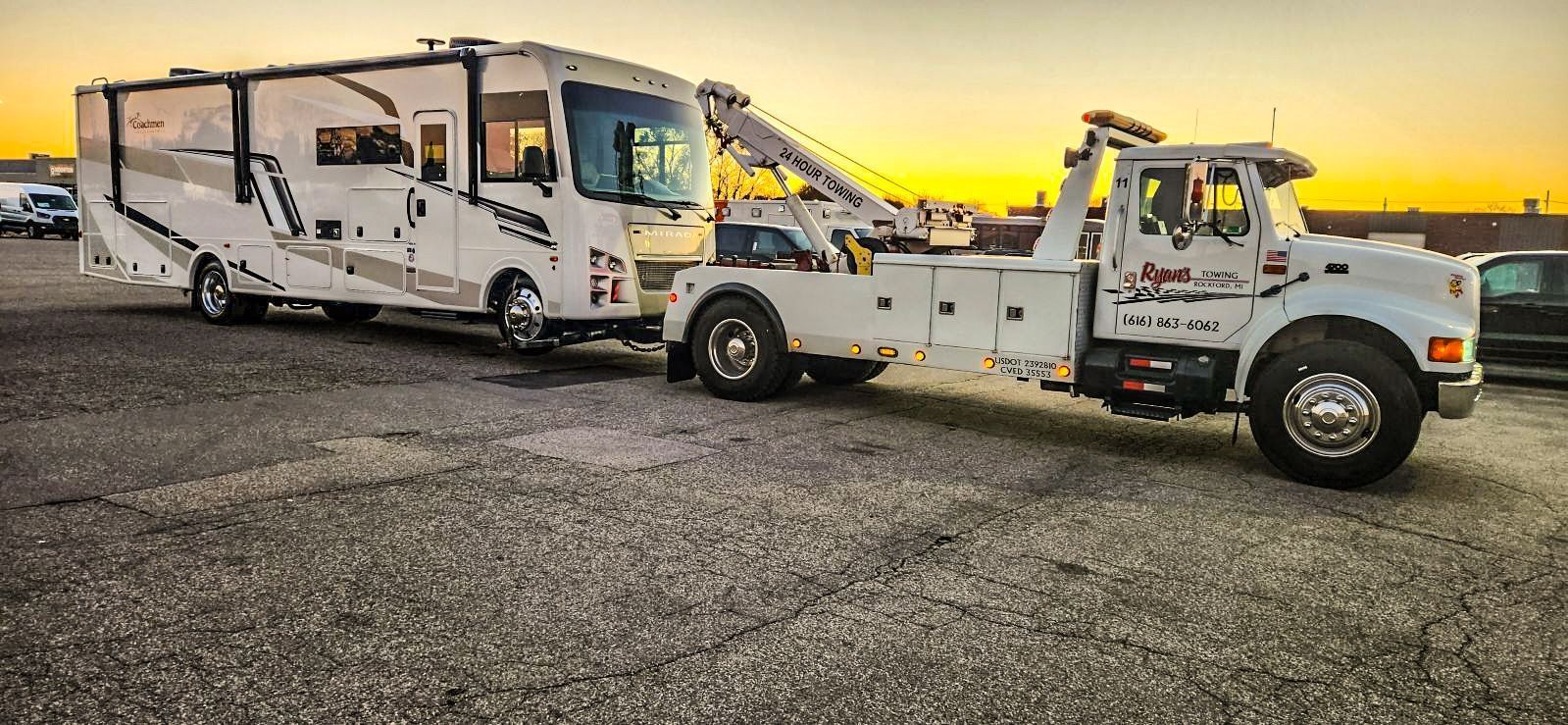
Integrated tow trucks are designed for heavier commercial applications. These vehicles feature reinforced axles and powerful hydraulic systems capable of recovering buses, tractor-trailers, and large work trucks. Heavy-duty recovery operations may also involve rotator wreckers equipped with advanced lifting and stabilization technology.
Vehicle size is not the only factor that influences equipment selection. Ground clearance, wheelbase length, suspension condition, and accident damage all affect how a vehicle should be transported. Operators must also consider whether the vehicle is stuck, overturned, or located in an area with restricted access.
An experienced towing service knows how to evaluate these conditions quickly and dispatch the proper truck for the job. Proper equipment selection reduces recovery time while helping prevent secondary damage during loading and transport. It also ensures that the tow can be completed in compliance with industry safety standards.
Modern towing technology continues to improve the recovery process as well. Many tow trucks now use advanced hydraulic controls, wireless winch systems, onboard diagnostics, and enhanced stabilization equipment. These innovations help operators manage heavier loads with greater precision and efficiency.
Weight classifications play a major role in every aspect of vehicle recovery and transport. From determining towing capacity to selecting the proper truck and safety equipment, understanding these categories helps ensure efficient and damage-free recovery operations. Whether transporting a compact sedan, a heavy-duty pickup, or a commercial vehicle, a professional
towing service uses careful calculations and specialized equipment to complete the job safely.
At Ryan's Towing, we take pride in providing dependable roadside support and professional vehicle recovery for drivers in need. We understand how critical proper weight classification and safe transport procedures are for protecting your vehicle during every tow. We encourage you to contact us whenever you need experienced assistance from a team committed to safe and efficient service.